

The ocean needs an antacid
How patient, early capital helped scale Planetary’s ocean alkalinity solution

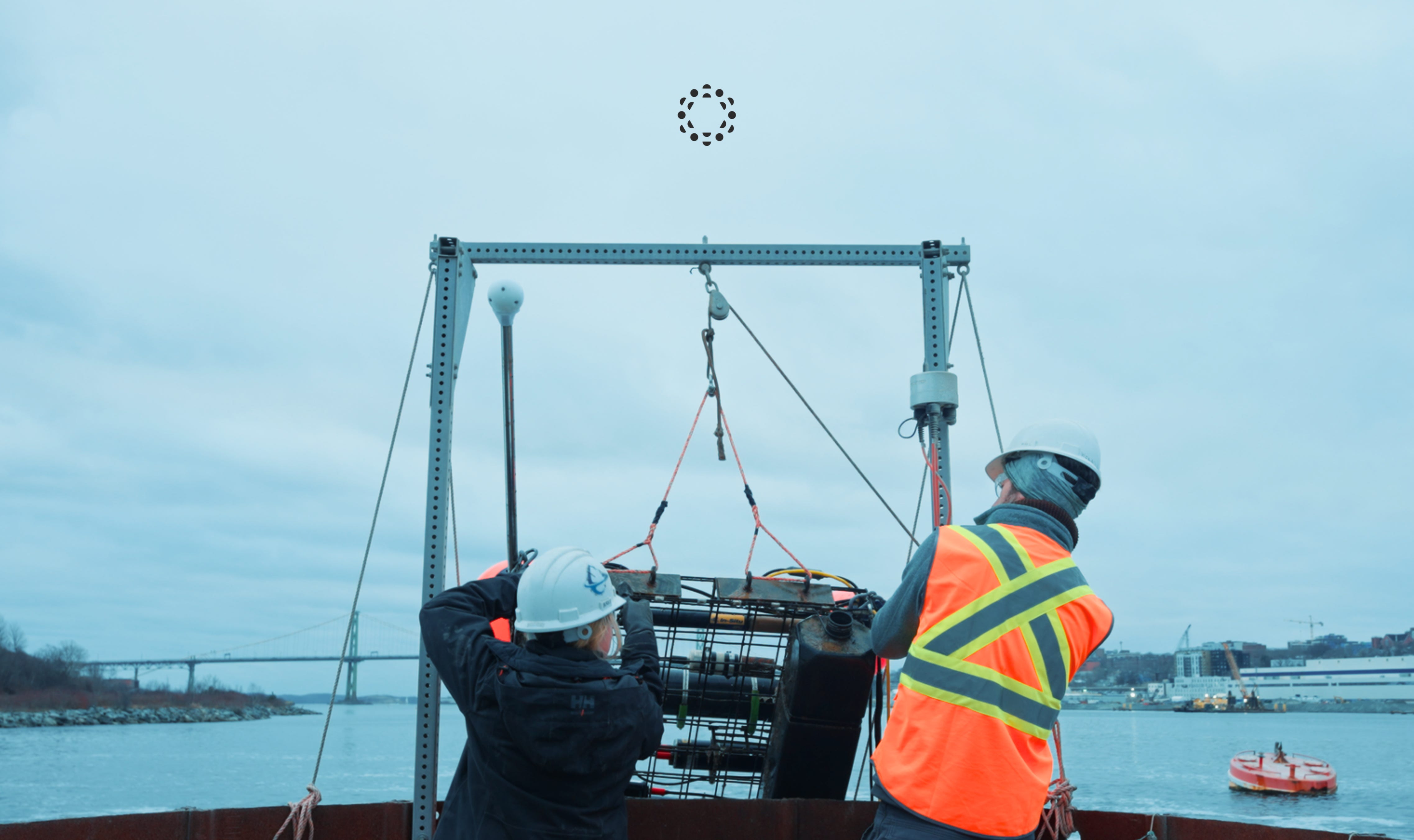
Editor's Note: Planetary runs Ocean Alkalinity Enhancement out of a pilot site in Halifax, adding minerals to seawater to pull carbon out of the atmosphere.
The ocean breathes. As Mi’kmaw elder Ken Paul explained it to Planetary Co-Founder and CEO Mike Kelland: the ocean is full of living things, but it is also a living thing itself. It has a world-sized circulatory system and it breathes in whatever we put in the air.
That’s the problem. When we put carbon in the air, the ocean breathes it in, turns it into acid, and releases the acid into the ocean. That acid is very harmful to shell-building creatures like oysters, clams, mussels and tiny snails that rely on calcium and carbonate building blocks in seawater. Damaging them upsets the ocean food chain from the bottom up, which in turn affects the food chain that feeds the rest of the planet. Mike calls it ocean heartburn.
Planetary’s fix is exactly what you’d give a person with heartburn: an antacid.
The company is at the forefront of operationalizing a process called Ocean Alkalinity Enhancement, or OAE, which adds minerals to seawater to neutralize acid. That process restores the ocean’s natural ability to absorb carbon that is warming the atmosphere.
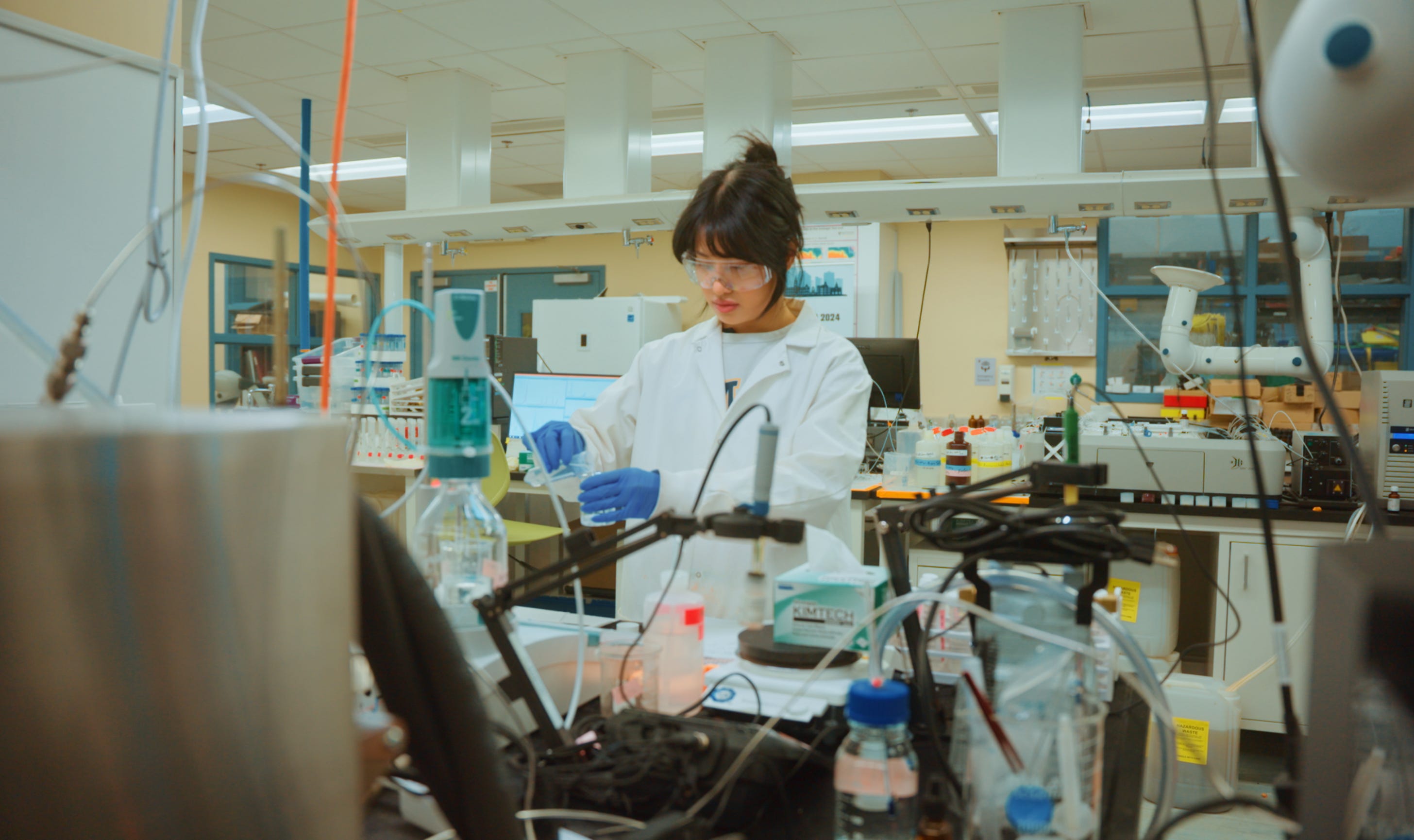
Honing the tech
Like many climate technologies, Planetary’s system has been through several iterations.
Version 1 in 2023 delivered only 137 tons of carbon removal.
Version 2 didn’t automate the mineral handling the way the team hoped, so they went fully manual. Mike joined the crew in beating bags of mineral over a tank with a cricket bat, the best tool on hand during winter in Halifax, while wearing respirators against the dust. That’s the system that hit the 1,000-ton X Prize target.
Version 3, the system running now, is a different world of automated augers and self-regulating tanks. It can handle roughly 25,000 tons a year.
Version 4 is in the works, targeting a significant scale up.
The importance of early, patient capital
Terraset was an early buyer of Planetary’s carbon removal, with three purchases in 2024 and one in 2025. None were big checks by climate-finance standards.
But the first one landed when Planetary was raising their Series A, during what Mike describes as a difficult stretch. The team was trying to get its second-generation system running, hadn’t yet delivered any registered credits, and was racing towards the X Prize.
That first Terraset purchase was the difference between being able to buy the materials the system runs on, and not.
“We didn’t have a clue when we’d deliver, or how many times we’d be able to. Terraset’s flexibility meant we could prioritize deliveries for buyers with less flexibility, and use the cash to keep going.” – Mike Kelland | CEO, Planetary
Early validation compounds
Terraset and Shopify were Planetary’s two key early buyers.
About five months after our purchase, Planetary signed its first offtake with British Airways, which Mike suggested likely would not have happened without early buyers like Terraset. For Planetary, that type of support signaled that their OAE was more than a niche interest of a single buyer.
That is what we do best. We show up when the timing is hardest. It keeps good companies moving and tells the next buyer the demand is real.
Planetary went on to secure a few larger deals and is now sold out through 2027.
Company growth paced by ocean and community
Planetary paces growth by ocean conditions, not engineering capacity alone. If something in the water looks off, Planetary pauses dosing to understand why, even if that means missing a delivery forecast.
“If we miss a forecast, that’s bad. But it’s not nearly as bad as doing something harmful in the ocean.” – Mike Kelland | CEO, Planetary
The Halifax site is supported by a coalition of community members: Indigenous communities and rights holders, local, provincial and federal governments, academic researchers, and buyers are all part of the collective effort.
As buyers, we are part of a broader mission to help determine whether an antacid for the ocean can become a real part of the solution.
That’s the bet: put real money behind ocean chemistry before it’s obvious, and find out together how to help it scale.
Want to back ocean-based climate solutions? Reach out at hello@terrasetclimate.org if you’re interested in learning more or putting your capital to work.
Ocean chemistry is such a powerful reminder that climate solutions are not isolated technologies, they are interventions in complex systems. The question is not only “does it work?” but “what happens when we scale it across a living planet?”
The future of climate innovation will belong to solutions that combine scientific ambition with humility about the systems we are trying to repair.