


In June 2025, we pre-purchased about 450 tons of carbon removal from CarbonRun, a company that adds crushed limestone to rivers in order to absorb carbon from the air.
In December 2025, Behaviour Interactive, Canada’s largest independent game developer, bought those credits through our revolving fund as a forward offtake. We put the revenue from that sale back into the fund, where it will be used to support new carbon removal projects.
This sale is exactly what our revolving fund was built for. We pay for carbon removal before it exists, sell those credits to buyers like Behaviour Interactive, and put the revenue back into the fund for the next project. Let’s break down how it all happened, step by step.
Most buyers wait, but we don’t
Most carbon credit purchases pay on delivery: the buyer signs a contract to purchase credits in the future, but doesn’t pay until the credit is verified and issued. That’s safe for a buyer, but makes it hard for projects who need capital early on to get their projects off the ground.
We typically pay for carbon credits upfront, before they’ve been delivered. That early, patient capital helps projects build, scale, and prove demand for their greenhouse gas removal or abatement credits. We receive the credits later, once the carbon has actually been removed.
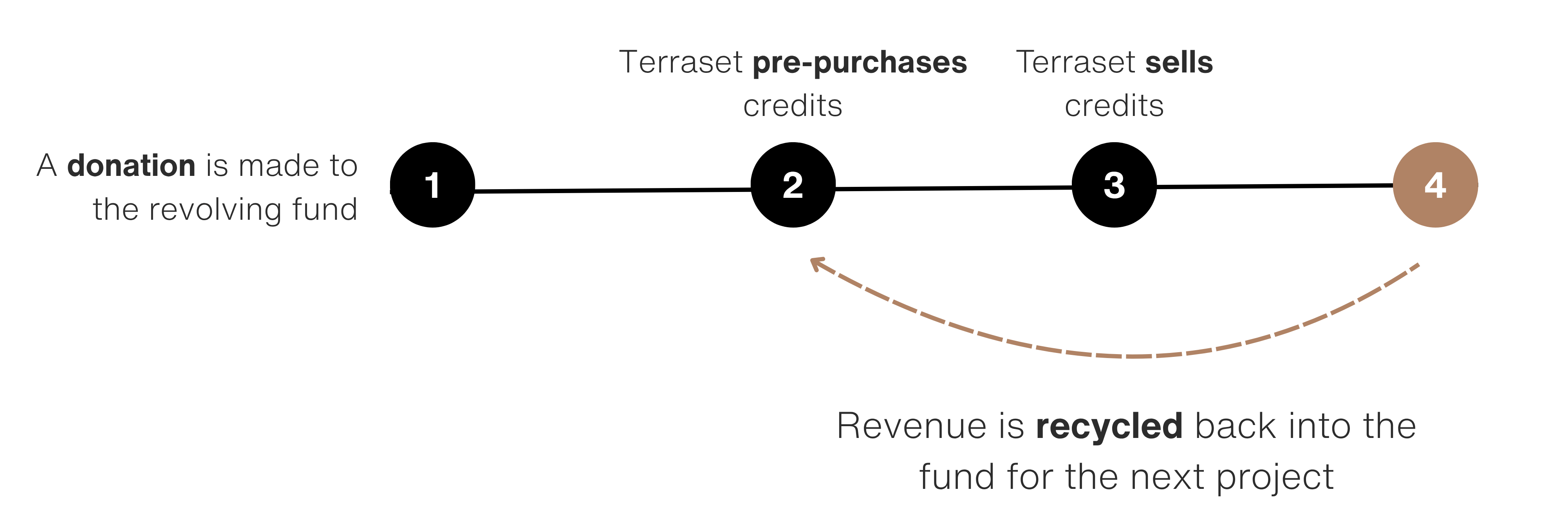
Our revolving fund recycles the same dollars again and again. It pre-purchases credits from early-stage projects, sells them to buyers, and uses the revenue to make the next pre-purchase. Here’s how it works:
We pool donations into our fund from individuals, foundations, family offices, and donor-advised funds.
We pre-purchase credits before they’re delivered, so projects get capital to do upfront work.
We sell the credits.
We put the revenue from that sale back into the fund for the next project.
Repeat steps 1-4.
In this cycle, we used part of a grant from the Schmidt Family Foundation to pre-purchase credits from CarbonRun, then sold credits from their river alkalinity project in Canada to Behaviour Interactive, and put the proceeds back into the fund.
What CarbonRun achieved with our money
Each credit delivered from CarbonRun represents a net ton of carbon removed from the atmosphere by the river and stored durably in the ocean.
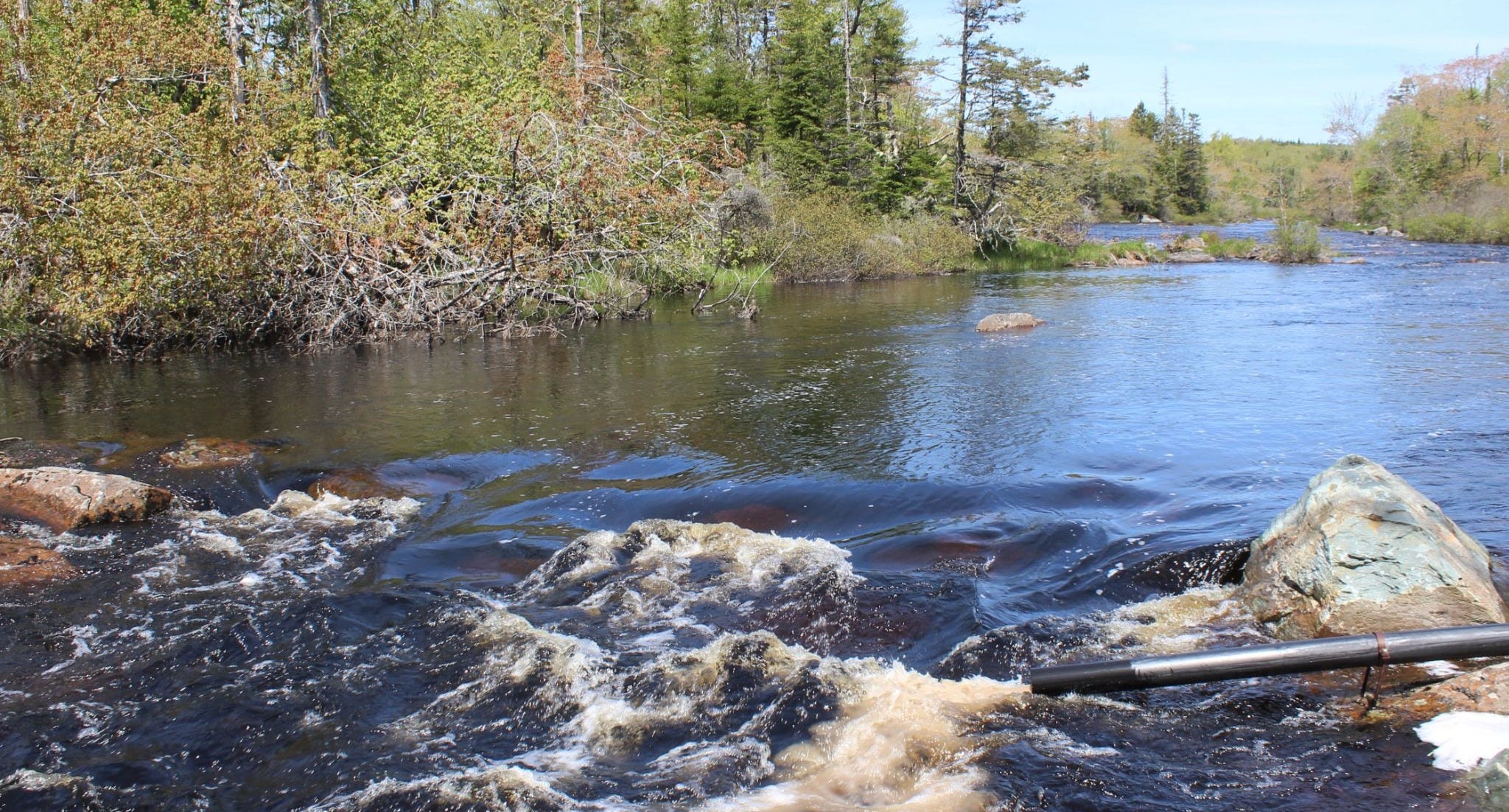
Rivers around the world release more carbon into the air than they absorb from it. Acid rain makes them release even more carbon. CarbonRun fixes that problem at the source by adding crushed limestone into acidic rivers. The limestone raises the water’s pH and stabilizes the carbon dissolved in river water. Beyond carbon removal, rivers get healthier, fish populations grow, and coastlines become less acidic.
This process is called river alkalinity enhancement, and CarbonRun delivered the world’s first verified credit of its kind in January 2026.
This cycle, step by step
Let’s go deeper into what happened at each step.
Step 1: We received a donation from the Schmidt Family Foundation to test our revolving fund model.
Schmidt backed the fund because it puts philanthropic dollars to work at the riskiest early stage and then recycles them, so one grant can fund many projects. CarbonRun was one of the 11 companies we supported as part of the revolving fund’s first round.
Step 2: We gave CarbonRun money before the credits existed.
We backed CarbonRun early because their river alkalinity work showed strong science and needed capital to move from pilot to scale.
Step 3: CarbonRun used the capital to prepare operations at a new river
Our pre-purchase paid for the groundwork CarbonRun needed before it could operate on the river. This included work on:
Community engagement: Outreach to municipalities along the river corridor, dialogues with First Nations, and public open houses held well before the project starts, plus roundtables with groups like hunting and fishing associations and watershed conservation organizations.
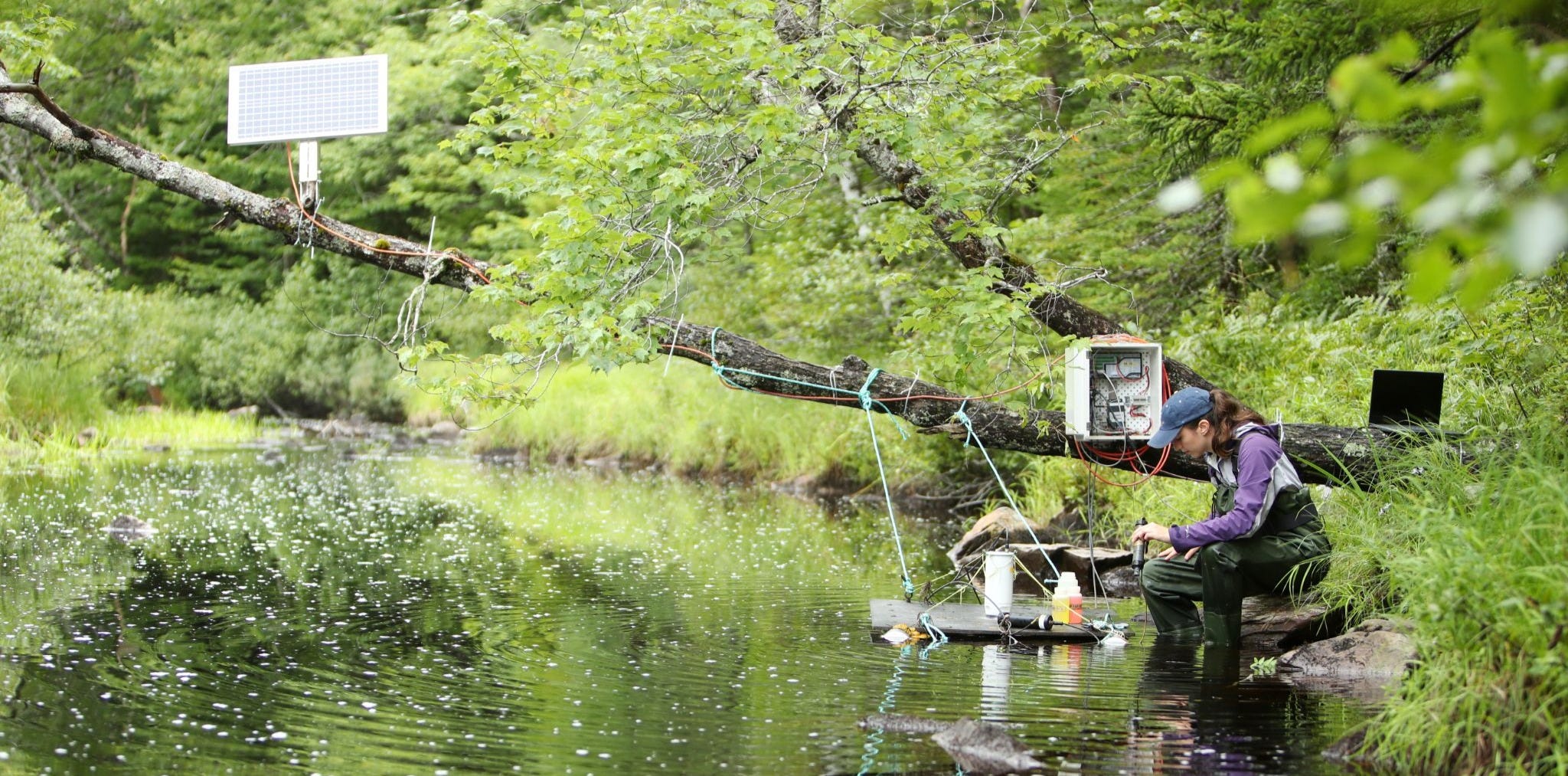
Baseline data collection: A year or more of measuring the river’s acidity and carbon levels through every season, using sensors and bottled samples. CarbonRun shares that data with municipalities, regulators, and NGOs.
Permitting: Clearing the regulatory steps required to operate on the river.
Completing those milestones helped CarbonRun raise additional financing, including securing project financing.
With that funding in place, CarbonRun started adding crushed limestone to the river to absorb more carbon. Sensors track that change over time, which results in a verified ton.
Stage 4: We sold the credits to Behaviour Interactive
Behaviour Interactive wanted to purchase some of the credits through our revolving fund. One of their investors, Haveli Investments, had encouraged its portfolio companies to take action on climate, while Behaviour was looking for ways to support high-quality carbon removal.
“We were excited to support CarbonRun because its approach combines measurable carbon removal with benefits for river health and local ecosystems in Canada. Purchasing these credits through the revolving fund also meant our investment could help unlock future carbon removal projects by putting that capital back to work.” – Frédérique Du Sault | Communications, Philanthropy & ESG Manager, Behaviour Interactive
Stage 5: We reinvested the revenue from the credit sales back into the fund
That sale is what closes the loop. The revenue goes back into the fund so we can use it to make the next pre-purchase.
What’s next for CarbonRun
CarbonRun has two demonstration projects in Nova Scotia, and each produces 100-200 tons a year. Their capacity is limited by how much water moves through the river.
Their next project is built to go bigger: a commercial-scale facility in Quebec, targeting 10,000 to 20,000 tons a year. Quebec has large rivers and plenty of limestone nearby, which means a smaller footprint from trucking limestone.
CarbonRun is now in the build phase, lining up engineering and construction partners, buying equipment. Stay tuned for an announcement from them in the coming weeks on the site.
Watch your dollar cycle through
Our revolving fund exists to do this over and over. We inject capital where it’s hardest to raise for early-stage projects by pre-purchasing credits, then recycle the revenue we make from selling those credits into the fund, so we can do the same thing again for another project.
Reach out at hello@terrasetclimate.org to learn how far your dollar could go.